
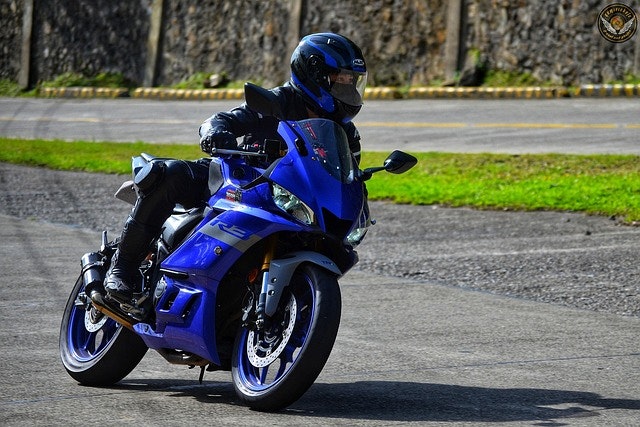
May marks Motorcycle Safety Awareness Month, offering an important opportunity to reflect on how rid...
May marks Motorcycle Safety Awareness Month, offering an important opportunity to reflect on how riders and drivers can work together to prevent serious collisions. As temperatures rise, motorcycle traffic increases across Connecticut, bringing more frequent interactions between cars and bikes. Although this seasonal change happens every year, the dangers tied to motorcycle crashes remain substantial and can alter lives in an instant.
Motorcycle collisions often lead to severe trauma, steep medical expenses, and complicated legal challenges. Personal injury claims, civil litigation, and even criminal proceedings may arise after a serious incident. By recognizing the factors that contribute to crashes and adjusting roadway behavior, both motorists and riders can help reduce risks and avoid unnecessary legal exposure.
Understanding the Elevated Dangers of Motorcycle Collisions
Motorcyclists face far greater vulnerability compared to occupants of passenger vehicles. Without a protective frame around them, riders are exposed to the full force of impact, meaning even low-speed crashes can cause life-changing injuries. The National Highway Traffic Safety Administration has long noted that motorcyclists experience a significantly higher likelihood of death or serious injury than drivers of standard vehicles.
Reduced visibility, misjudged speed, intoxicated driving, and right-of-way violations are among the leading contributors to motorcycle crashes. From a legal standpoint, determining liability can be complicated. Disputes frequently arise regarding driver behavior, roadway conditions, and the actions of the motorcyclist. These complexities intensify when injuries are severe or require long-term medical care.
Key Safety Considerations for Drivers Sharing the Road
Drivers have a crucial role in preventing motorcycle crashes. Many collisions happen simply because a driver did not see a motorcycle or underestimated its speed. According to the Insurance Institute for Highway Safety, one of the most common scenarios leading to a motorcycle crash is a left-turn collision, where a driver turns in front of an oncoming bike. Even when drivers look directly at a motorcycle, they may misinterpret its distance or fail to register its presence.
Motorists can help reduce risks by consistently checking blind spots before merging or changing lanes. Allowing extra room behind motorcycles is also essential, as riders often stop more quickly than cars. Paying close attention at intersections, especially when making left turns, significantly lowers crash potential. Eliminating distractions and avoiding impaired driving are critical steps toward safer roads.
Driver negligence not only increases crash risk but can also carry serious legal consequences. Distracted driving, speeding, or operating a vehicle under the influence may lead to civil liability or criminal charges. Simple, attentive choices behind the wheel can prevent tragedy and avoid legal complications.
Important Safety Measures for Motorcyclists
Motorcyclists encounter unpredictable traffic patterns and varying driver behavior, making defensive riding strategies essential. Proper preparation and awareness can reduce both the likelihood and severity of crashes. The Centers for Disease Control and Prevention emphasizes that wearing a helmet greatly decreases the chances of head injury or death. While protective gear cannot stop a collision, it is vital in protecting against severe medical outcomes and may play an important role in personal injury cases.
Riders can strengthen their safety profile by obtaining proper training and maintaining required licensing. High-quality gear, including a DOT-approved helmet, protective clothing, and sturdy footwear, can make a significant difference during an accident. Enhancing visibility by adding reflective materials to clothing and motorcycle equipment can also help drivers spot riders more easily.
Visibility challenges remain one of the biggest factors contributing to motorcycle crashes. Drivers often struggle to see motorcycles in dense traffic or at intersections. Using reflective elements and maintaining functional lighting systems can help riders increase their visibility. A useful technique is tapping the brake lights a few times before fully stopping to draw attention to deceleration and reduce the risk of rear-end impacts.
Speeding, impaired riding, and insufficient training increase crash risk and potential legal exposure. After a serious incident, rider conduct is often carefully reviewed during insurance evaluations or litigation.
Legal Considerations: Liability and Enforcement After a Crash
When a motorcycle crash occurs, the consequences frequently extend beyond immediate medical treatment. Insurance disputes, civil lawsuits, and criminal investigations may all follow. According to the American Bar Association, determining fault in motorcycle accidents can be particularly complex. Evidence such as reconstruction reports, eyewitness statements, and traffic camera footage may be critical in establishing responsibility.
Legal scrutiny often centers on behaviors like impaired driving, distracted operation, speeding, and failure to follow traffic signals. Intersections, especially where right-of-way disputes arise, receive special attention. Because motorcycle injuries tend to be serious, insurance companies typically conduct thorough investigations, and prosecutors may pursue charges when reckless conduct or impairment is suspected.
Although no one can eliminate all roadway risks, proactive safety measures can reduce the likelihood of catastrophic injury and lengthy legal battles.
The Importance of Shared Responsibility
Motorcycle Safety Awareness Month reinforces an essential truth: safe roadways require cooperation between motorists and motorcyclists. Drivers must remain attentive to motorcycles and practice patience, while riders should follow licensing rules, prioritize visibility, and use defensive riding techniques. Mutual respect and thoughtful decision-making create safer conditions for everyone.
Reducing dangerous behavior not only saves lives but also lessens the chance of criminal charges, civil lawsuits, and long-term financial consequences. Whenever possible, preventing a crash is far better than navigating the legal aftermath of one.
If you or someone you love has been injured in a motorcycle accident, understanding your legal rights is critical. Experienced guidance can help you navigate personal injury claims, liability disputes, and any related legal issues. Contact us to review your options and ensure your rights remain protected.