
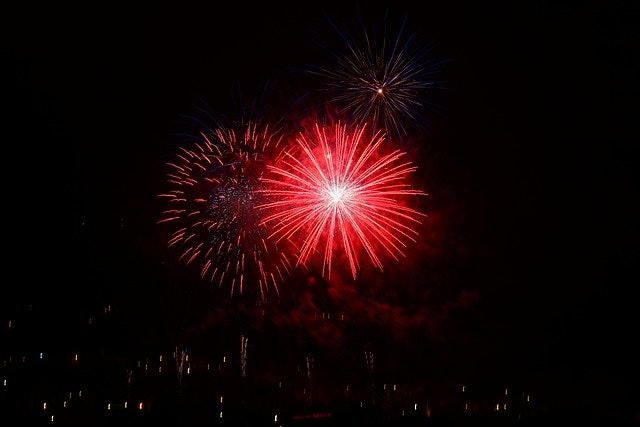
Fireworks Safety Month - June 1 - July 4 - Legal Considerations
Fireworks Safety Month serves as an important reminder that excitement and caution must stay closely aligned during summer celebrations. As communities across the country prepare for July 4 festivities, the use of fireworks brings both tradition and substantial safety concerns. Each year, thousands of people experience injuries from consumer fireworks, underscoring the need for greater awareness of FireworkSafety, FireworkInjuries, and LiabilityRisk.
National estimates suggest that roughly 14,700 individuals are hurt annually in fireworks-related incidents. Whether attending a neighborhood display or setting off devices at home, understanding the risks and the legal framework surrounding fireworks accidents is essential. This overview explains the most common injury types, how Personal Injury Law applies, and what steps to take after an incident.
Why Firework Injuries Rise During July 4 Celebrations
Fireworks-related injuries regularly increase in the days surrounding Independence Day. This spike is often tied to higher consumer use, backyard displays, and inexperienced individuals handling devices without proper safety precautions. While many assume large events are the most dangerous, a significant number of accidents occur at informal gatherings where safety guidelines may be overlooked.
Even in areas where fireworks are legally permitted, improper lighting methods, insufficient supervision, or unsafe launch zones can rapidly create hazardous conditions. These factors combine to elevate the likelihood of accidents during peak celebration periods.
Common Firework Injuries People Should Understand
Fireworks can cause injuries ranging from mild burns to severe trauma. Recognizing the most frequent types of FireworkInjuries can help reinforce why caution is essential during celebrations.
Burn Injuries
Burn injuries account for approximately 37% of reported fireworks-related harm each year. Hands, fingers, forearms, and other exposed skin areas are most vulnerable due to their proximity to ignition points.
Although sparklers may seem harmless, they burn at extremely high temperatures capable of causing serious skin damage. Malfunctions or unstable devices can also ignite unexpectedly, resulting in burns that may require medical care, ongoing treatment, or long-term monitoring.
Eye Injuries
EyeInjuries present significant risk because they may lead to permanent vision changes. Fireworks launched too close to spectators or in unsafe directions greatly increase the chance of eye trauma.
Flying sparks, debris, or explosive energy can cause corneal burns or penetrating injuries. Because vision damage can have lasting consequences, immediate medical evaluation is essential whenever eye injuries occur.
Lacerations, Fractures, and Hearing Damage
Firework accidents can also produce cuts, broken bones, or blunt-force trauma if debris is propelled toward nearby crowds. These injuries may impact the face, arms, or upper body, depending on the device and circumstances.
Loud explosions can generate enough sound to harm hearing, especially when individuals are positioned too close to the ignition area. Temporary ringing, permanent hearing loss, and respiratory irritation from smoke or chemicals are also possible outcomes.
Severe Blast Injuries
High-powered fireworks, including mortar-style devices, pose an even greater threat. Serious incidents involving these devices can result in amputations, long-term disability, or life-changing physical impairment.
When injuries reach this level, legal and financial considerations often become more complex and require careful evaluation.
Liability Risk After a Fireworks Accident
When someone is hurt during a fireworks display, legal responsibility often becomes a central issue. Under PersonalInjuryLaw, liability depends on whether the individuals involved acted reasonably and responsibly.
Duty of Care
Anyone handling fireworks must take reasonable steps to prevent foreseeable harm. This includes selecting a safe launch zone, maintaining distance from spectators, and adhering to instructions provided by the manufacturer.
If someone fails to exercise proper care and an injury results, they may be legally responsible for the harm caused.
Negligence Factors
Liability concerns often increase when people:
- Ignore safety directions or warnings
- Permit minors to handle fireworks without appropriate supervision
- Light devices too close to spectators or structures
- Use fireworks in restricted or unsafe areas
Courts typically consider whether a reasonable person would have recognized potential danger and taken steps to prevent it.
Premises Liability
Property owners and event hosts may face liability if hazardous conditions on their land contribute to an injury. When hosting gatherings that involve fireworks, added responsibility exists to ensure that guests and neighbors remain safe.
Conditions such as overcrowded viewing spaces, poor lighting, nearby dry structures, or insufficient barriers can all influence liability assessments.
Regulatory Compliance
Local laws often dictate where, when, and what types of fireworks can be used. Violating these regulations may strengthen negligence claims and affect insurance coverage.
Improper or illegal use of fireworks can also complicate how insurance carriers handle resulting claims.
Insurance Considerations
Certain homeowners' insurance policies include limited coverage for fireworks-related incidents, while others may exclude coverage when unlawful activity is involved. Severe injuries may lead to damages that exceed typical policy limits, increasing the financial consequences for those involved.
The Financial Consequences of Firework Injuries
Medical bills often extend beyond initial treatment. Ongoing care may include follow-up visits, medications, rehabilitation, or specialist services. Serious injuries may also result in lost income or reduced long-term earning capacity.
Personal Injury Law claims may address medical costs, emotional distress, long-term impairment, scarring, or reduced quality of life. Proper documentation is essential for capturing the full scope of these impacts.
Steps to Take After a Fireworks-Related Injury
If you or someone close to you is injured, taking prompt steps can shape both health outcomes and legal options.
- Seek medical care immediately, even for minor injuries
- Photograph the scene, device, and visible injuries
- Collect witness information and establish a timeline of events
- Retain product packaging or remnants of the device
- Notify relevant insurance carriers promptly
Consulting with an attorney early may help you understand your rights before communicating extensively with insurance companies or other parties.
Prioritizing Safety During Summer Celebrations
Fireworks play a meaningful role in July 4th safety traditions, but they also create real risks. Understanding FireworkInjuries and LiabilityRisk allows individuals to make informed choices when participating in seasonal celebrations.
If you have questions about your legal rights after a fireworks-related incident, our team at LVSK Trial Lawyers, LLC is available to help. Contact our office to schedule a confidential consultation and receive guidance from an experienced Torrington CT attorney about your options.