
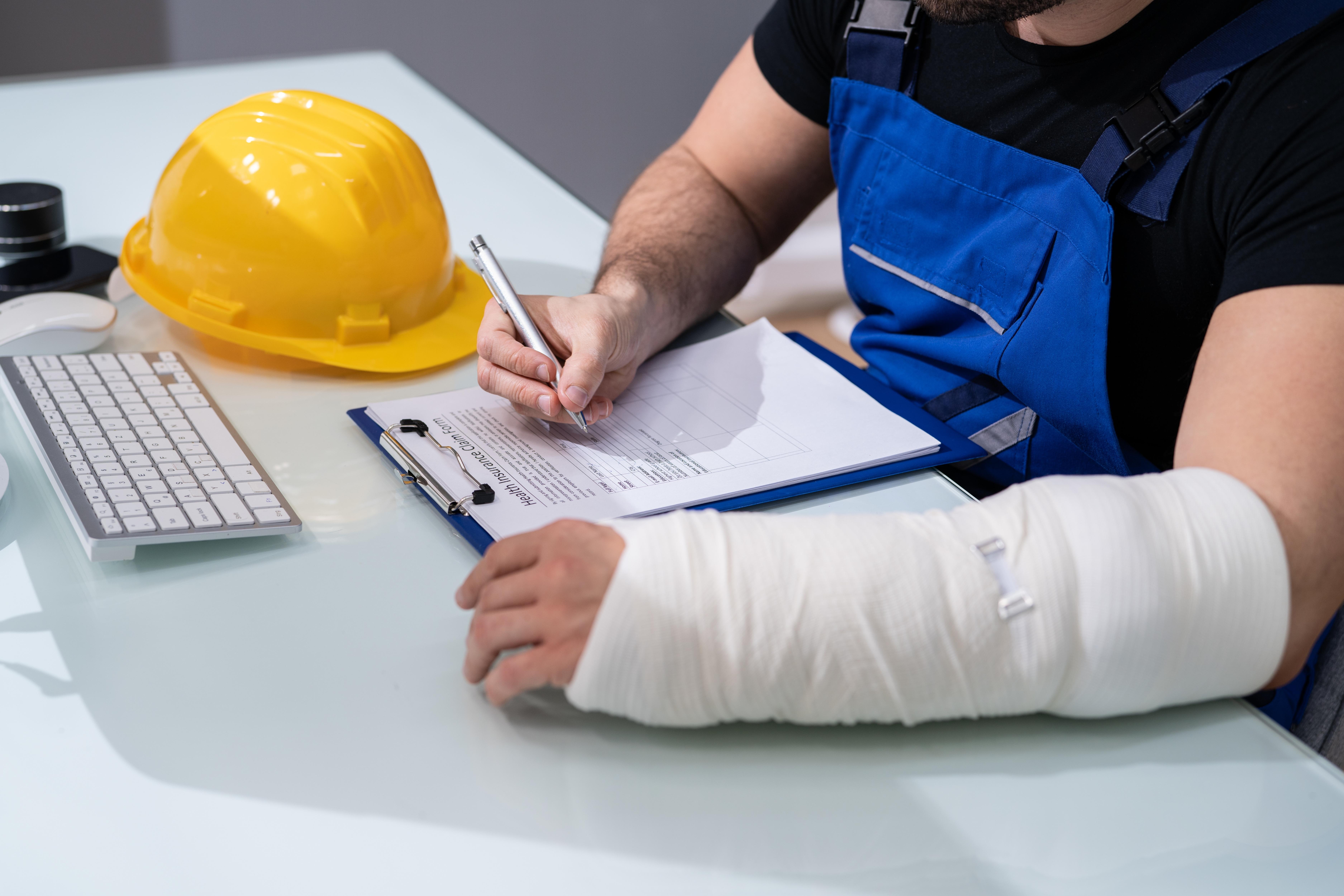
What to Do After a Personal Injury in Connecticut
The hours and days after an accident can feel overwhelming, particularly when injuries, medical care, missed work, and insurance calls all demand attention. Taking prompt, thoughtful steps can support your recovery and help preserve important information for a potential personal injury claim. Logan, Vance, Sullivan & Kores helps injured individuals understand the actions that may protect their rights.
Whether an injury resulted from a motor vehicle collision, a fall, a workplace incident, or another serious event, it is important to put your health first and keep careful records. Every situation is different, but the following steps can help you respond in a well-informed way after an accident.
Seek Medical Attention Promptly
Your well-being should be the first priority after a personal injury. Even when an injury initially seems minor, seeing a qualified medical provider as soon as possible is important.
Not every injury is immediately apparent. Symptoms such as soreness, stiffness, pain, or other complications may develop hours or days after the incident. Early medical evaluation can help identify concerns before they worsen and ensure you receive appropriate care.
Medical documentation can also be significant in a personal injury matter. Records of your diagnosis, treatment, appointments, and recovery create a clear timeline of your condition and may help address later questions about the nature or severity of the injury.
Make Sure the Incident Is Reported
After an accident, notify the appropriate person, business, employer, or authority. A timely report helps establish a record of the event, including where and when it occurred.
The appropriate reporting step will depend on the circumstances. It may involve contacting law enforcement after a crash, notifying a property owner after a fall, completing an incident report, or informing an employer about a work-related injury.
Creating this record early can reduce uncertainty later. It may also help preserve details that become harder to verify as time passes.
Photograph the Scene and Preserve Details
If your condition allows, document the accident scene as soon as you can. Conditions can change quickly after an incident, and visual evidence may provide useful context about what occurred.
Use photographs or video to capture relevant details, including:
- Visible injuries
- Damage to vehicles involved
- Unsafe conditions on a property
- Weather or roadway conditions
- Posted warnings or the absence of warnings
- The broader area surrounding the accident
If anyone witnessed the incident, ask for their name and contact details when possible. Preserving facts early may make it easier to reconstruct events later, whether you need a motor vehicle accident attorney, a workers’ compensation lawyer, or other legal guidance.
Organize Documents Related to Your Injury
An injury can affect more than your physical health. It may also create unexpected financial strain, which is why it is wise to maintain records connected to both the accident and your recovery.
Keep copies of documents such as:
- Invoices and statements for medical care
- Receipts for prescription medications
- Records from therapy or rehabilitation
- Vehicle or property repair estimates
- Pay documentation showing time missed from work
- Transportation costs for medical visits
A written recovery journal may also be helpful. Notes about pain levels, difficulty moving, interrupted sleep, and the effect of the injury on routine activities can help show how the incident has affected your day-to-day life.
Use Caution When Insurers Contact You
Insurance representatives may reach out shortly after an accident. Although these conversations may seem routine, it is important to approach them carefully.
A recorded statement, a settlement proposal made early in the process, or paperwork that requires a signature could affect a personal injury claim. An offer made before the full extent of an injury is known may not reflect future treatment needs, lost earnings, or the challenges of an ongoing recovery.
Before agreeing to an offer or signing documents, make sure you understand the choices available to you and the rights you may have. A personal injury lawyer can help explain the process based on the circumstances of your case.
Follow Your Treatment Plan
Once you begin receiving medical care, follow your doctor’s recommendations and keep scheduled appointments. Consistent treatment supports your health and provides an ongoing record of your recovery.
Missed appointments or extended gaps in care can make it more difficult to demonstrate the full effect of an injury. They may also lead others to question whether symptoms or limitations were as serious as reported.
If you have concerns about a treatment recommendation, discuss them with your healthcare provider rather than discontinuing care independently. Your provider can help you understand the available options and make adjustments when appropriate.
Think Carefully About Social Media
Social media activity can become relevant in a personal injury case. Posts, images, videos, comments, and location updates may be viewed by others and interpreted without the full context.
Even a seemingly harmless post may be used to challenge the extent of an injury or the limitations you are experiencing. For that reason, it is generally wise to avoid posting about the accident, your medical condition, or your recovery while a claim is pending.
Being selective about what you share can help prevent misunderstandings and protect information related to your case.
Do Not Delay Seeking Guidance
Personal injury matters involve legal deadlines, and those time limits can vary based on the facts of the accident. Waiting too long may make it harder to obtain evidence, identify witnesses, and preserve your legal options.
Prompt action can help you better understand the process and make informed decisions. This can be especially important after serious matters involving medical malpractice, workplace injuries, catastrophic motor vehicle accidents, or the loss of a loved one.
The actions you take after an injury can have a meaningful effect on your recovery and any potential claim. Logan, Vance, Sullivan & Kores is a small firm with big results across Connecticut, providing professional guidance to people who have questions following an accident. If you need to speak with a Connecticut attorney about a personal injury matter, our team is available to help you understand your next steps.